
Lease Or Buy Used? Make The Right Choice

Smart Used Car Financing and Leasing Decisions
Deciding whether to lease a new car or buy used is one of the most important financial decisions in car buying today, especially in a competitive car market. At Crossroads Ford of Waynesville, many car buyers come in weighing their personal finance goals against daily driving needs and wondering whether to lease a new car or buy used for their next vehicle. The choice affects your monthly car payment, how long you keep the vehicle, and what kind of flexibility you have when it is time for your next car.
When you think about whether to lease a new car or buy used, you are really choosing how you want to pay for a vehicle over the long term and how much control you want over car ownership. Maybe you want lower monthly payments so you can free up cash for other financial decisions, or you are willing to take on higher monthly payments for a shorter period so you own the vehicle outright for a long time. Either way, Crossroads Ford of Waynesville can help you compare the pros and cons of leasing new or buying used so you feel confident you are making the right choice.
How Leasing New And Buying A Used Car Differ
For many drivers in Waynesville, NC, the first step is understanding leasing a new car vs. buying a used car in simple terms. When you lease or buy used, you either pay to use the new car for a set lease term or pay toward full car ownership. With a lease agreement, you are essentially paying for the new car’s value that you use during the lease period, plus a money factor that functions similarly to an interest rate. Your monthly lease payment is based on the vehicle’s depreciation during the lease term, its residual value at the end of the lease term, and your credit score.
Leasing new tends to provide low monthly payments or lower monthly payments than a comparable used car loan, which is why many car buyers ask if they should lease new or buy used when they want a newer vehicle or even an electric vehicle with advanced safety features. Your lease contract and terms will spell out details such as mileage restrictions, what constitutes excessive wear, and any fees at the end of your lease term. At the end of the term, you usually decide whether to return the leased car, buy the leased vehicle for its residual value, or move into your next vehicle.
Buying works differently. When you choose to take out a used car loan, your loan payments are based on the sale price of the used vehicle, your down payment, the interest rate, and any finance charges. Over time, you build equity, and once the loan balance is paid off, the car’s value, resale value, and cash value all belong to you. Instead of thinking only in terms of leasing vs. short commitments, you are planning for longer-term use and full car ownership.
Financing Options And Where You Get Your Loan
Whether you lease new or buy used at Crossroads Ford of Waynesville, how you finance the deal matters. For a purchase, you can work directly with our finance center, apply through a credit union, or check rates with your bank. Your credit score influences your interest rate, loan term options, and the total finance charges you pay over time. Some drivers roll fees and taxes into the used car loan, while others prefer to pay them upfront with a credit card or cash to keep loan payments lower.
Leases have their own structure. Leasing terms usually require the first month’s payment due at signing, along with fees. Your lease agreement details how the money factor and residual value are calculated and what happens at the end of the lease term. If you want to move into a different vehicle at the end of the term, leasing new can make it easier to change cars without worrying about trading in an old car, selling to a third-party buyer, or negotiating a car’s worth on your own.
Why A Used Vehicle Can Work For Your Budget
One of the biggest reasons drivers in Waynesville, NC, ask whether to lease new or buy used is the value a used vehicle can offer. A new vehicle takes its largest hit in value during the first few years on the road, which is why a vehicle’s depreciation is such an important part of the conversation. When you focus on a quality used vehicle, that early drop has already happened, which often means a good deal on the purchase price based on a lower starting car’s value.
If you keep the car for a long time, buying can maximize trade-in value and resale value later, especially when the vehicle stays in good condition and has a reasonable number of miles for its age. For shoppers thinking about fuel economy, an electric vehicle or efficient gas model can reduce long-term fuel costs, especially over a longer-term ownership plan. When you weigh whether to lease new or buy used, remember that maintenance costs and repair costs also play a role. Depending on the vehicle, you may still have a manufacturer warranty or an extended protection plan available, which can help manage future expenses and keep your personal finance goals on track.
Buying A Used Car For Long-Term Value
If you want to keep your vehicle for a long time and drive without thinking about mileage restrictions, buying a used car can be a strong path forward. When you buy used and choose the purchase route, your higher monthly payments early on are building ownership and equity. Once the loan balance is gone, you have a paid-off vehicle you can drive for a long time with no loan payments at all. That freedom appeals to many drivers focused on long-term financial decisions.
Buying also gives you more flexibility in how you use the vehicle. You can customize the interior, install accessories, and use the car as you like without worrying about excessive wear penalties in a lease agreement. Over time, you control how you manage the vehicle, whether you keep it as an extra old car for backup, use it as a trade-in value toward your next car, or sell it for cash value. For many, purchasing becomes the right choice over any leasing or buying used question.
Cost Of Ownership vs. Cost Of Leasing
To decide whether to lease new or buy used, it helps to compare the total cost of ownership against the total lease cost. Leasing often focuses on keeping your monthly car payment lower. You might see low monthly payments promoted heavily, and for good reason: they can free up money month to month. However, when the lease period ends, you either return the vehicle or buy it for its residual value, which may mean starting a new loan or another lease.
With a purchase, your monthly car payment may be higher at first, but once the loan term ends, you own the vehicle outright. You can drive it for years with no lender involved while still benefiting from its car worth if you decide to sell. Maintenance costs and repair costs become your responsibility, particularly after the manufacturer’s warranty runs out, but you also get full control over car ownership decisions. We can help you model how different loan term options and used-car loan structures affect your monthly payment and total paid over time.
How Lifestyle And Driving Habits Affect Your Decision
Your day-to-day routine in Waynesville, NC, should also influence whether you lease new or buy used. If you drive short distances, work from home, or mainly commute locally, lease terms with mileage restrictions might still fit well. Drivers who always enjoy having a newer vehicle with up-to-date safety features and technology often lean toward leasing new, especially when they see a good deal that lines up with their personal finance goals.
On the other hand, if you take frequent road trips, have a long commute, or simply like to keep a vehicle for a longer-term stretch, buying can eliminate worries about mileage limits or lease-end charges. For some, especially those who plan to keep their next vehicle for a long time, the pros and cons of leasing become less attractive compared with owning and driving the same car for many years. Crossroads Ford of Waynesville can help you compare leasing new vs. buying a used car with real numbers so you see how each path affects your overall budget.
Getting Expert Help At Our Dealership
You do not have to figure out whether to lease new or buy used on your own. The team at Crossroads Ford of Waynesville works with car buyers every day who are comparing leasing new vs. purchasing used, weighing loan payments, and trying to choose between short commitments and long-term ownership. Our finance specialists can explain leasing terms in detail, from how your money factors are calculated to what happens at the end of your lease term, and can also walk you through used car loan options from our lender network and local partners like your preferred credit union.
When you sit down with the experts at Crossroads Ford of Waynesville, you can review your credit score, discuss whether using a credit card for certain fees makes sense, and look at different scenarios around a vehicle’s depreciation, trade-in value, and a car’s value over time. We will help you see how loan balance, lease period, and end of the term choices affect your overall plan, so whether you decide to lease new or buy used, you feel informed and in control. If you are ready to explore car lease deals, review leasing offers, or simply talk through options for your next car in good condition with strong fuel economy, Crossroads Ford of Waynesville is here to help you find a great deal that fits your needs.
Car Loan Rates for New and Used Vehicles
When you shop for your next car at Crossroads Ford of Waynesville, understanding how new vs. used car interest rates work is just as important as picking a trim or color. Car buyers who know the key difference between a new car loan vs. used car loan can match their budget, lifestyle, and personal finance goals more easily to the right vehicle. In this article, we’ll explain how loans work, what shapes the Annual Percentage Rate, and how your financial situation and car-buying journey influence your options for car ownership.
Many drivers wonder how new vs. used car interest rates affect the total cost of a vehicle over the life of the loan. While new car loans can sometimes come with lower interest rates, used car loans may pair slightly higher interest rates with a lower price, which changes the total amount you pay. When you understand how interest rates connect to your credit score, trade-in value, and loan structure, it becomes easier to make informed decisions about your next vehicle.
How Lenders Compare Rates on New and Used Vehicles
When you apply for financing at Crossroads Ford of Waynesville, lenders start by considering whether you are shopping for a new vehicle or exploring used vehicles. That single distinction drives much of the new vs. used car interest rates conversation, as lenders evaluate risk differently for new and used car loans; a key difference in how they design loan offers and auto loan options.
Your credit score, income, and current debts all help determine whether you qualify for a lower rate or face higher interest rates. Shoppers with good or excellent credit usually qualify for more competitive rates, while a first-time buyer may pay more until they build a stronger credit history. Many new car buyer profiles, especially those with stable records on accounts such as a credit card or car insurance, can qualify for flexible terms that make new vs. used car interest rates look especially appealing on new car loans.
It’s common for car buyers to ask, “Is it easier financing a new or used car?” At Crossroads Ford of Waynesville, the answer depends on your overall financial situation and personal finance priorities. Some lenders design auto financing programs that favor new vs. used car financing, while others are more open to used car financing if the vehicle is newer in model year and has strong resale value. By reviewing average interest rate charts and current rates with our team, you can see exactly how new vs. used car interest rates change from one lender to another.
Why New Vehicles Often Have Lower APRs
New vs. used car interest rates often tilt toward new vehicles because they are considered less risky. A new vehicle generally carries a higher sticker price, but it also comes with factory coverage that helps manage repair, wear-and-tear, and maintenance costs in the first year. Because these models typically hold stronger resale value in tools like Kelley Blue Book, lenders are more comfortable offering lower interest rates and even special APR promotions for certain model-year options.
Manufacturers sometimes pair new car loans with promotional auto loan options that feature competitive rates and flexible terms. When you compare those offers to new vs. used car interest rates on similar vehicles, the combination of a lower rate and incentives can reduce total interest over years of ownership. Even with a higher sticker price, the total cost can stay manageable if you structure the loan carefully and avoid stretching into higher monthly payments that strain your budget.
New vehicles also offer the latest features, technology, and safety features that many drivers want in a dream car. For shoppers who plan a long span of years of ownership, the rapid depreciation that occurs early on matters less, especially when new vs. used car interest rates are favorable. Choosing a shorter loan term can keep the life of the loan aligned with your goals while you enjoy peace of mind from warranty coverage and predictable maintenance schedules.
What To Expect From Rates on Used Vehicles
Used vehicles often carry higher interest rates than new models, largely because there is more uncertainty around wear and tear and repair costs. However, the lower sales prices of used models can offset the new vs. used car interest rate differential for many buyers at Crossroads Ford of Waynesville. A reduced car cost and lower price mean you may finance a smaller total amount, which can keep both total interest and monthly payments in check.
When you explore used-car financing, vehicle history reports, like those provided by CARFAX®, become vital. These reports show whether a previous owner maintained the vehicle, if major accidents occurred, and how the odometer has climbed over time. Clean vehicle history reports and strong resale value estimates can reassure both you and the lender, which may narrow the spread between new vs. used car interest rates. Crossroads Ford of Waynesville can also help estimate trade-in value on an old car, which effectively reduces the amount you need to finance on your next car.
Shoppers should also factor in additional fees and any third-party products they consider. Rolling extra warranties, protection plans, or fees into the loan can change the way new vs. used car interest rates affect your total cost. Some drivers choose to pay for certain items separately rather than putting them on a credit card or folding them into financing, especially if they want to keep new vs. used car interest rates focused solely on the vehicle’s price.
Looking Beyond APR: Term Length And Total Cost
While comparing new vs. used car interest rates is important, it is only part of the picture. The structure of the loan, including term length and down payment, plays a big role in your total cost over time. A lower rate on a very long term can still generate more total interest than a slightly higher rate set on a shorter loan term.
Using an auto loan calculator from Crossroads Ford of Waynesville can help you see how new vs. used car interest rates affect your budget in real numbers. You can adjust down payment amounts, test a shorter loan term versus a longer one, and see how lower monthly payments compare to options that focus on faster payoff. This tool helps translate new vs. used car interest rates into clear projections of monthly obligations and total interest for the entire life of the loan.
For some shoppers, the right choice is the structure that keeps cash flow comfortable with lower monthly payments. Others prefer to prioritize a quicker payoff, even if that means accepting higher monthly payments for a while. By balancing new vs. used car interest rates with your income, savings, and other goals, you can align financing with your broader car-buying journey and long-term plans.
Choosing Between New And Used At Crossroads Ford of Waynesville
Deciding between new and used comes down to matching new vs. used car interest rates and pricing to your priorities. If you want the latest technology, the latest features, and a fully customizable experience, a new vehicle can be a good idea. Promotional programs can pair current rates with flexible terms, making it easier to design a payment plan that fits your lifestyle while you enjoy that new car feeling from the driver’s seat.
On the other hand, many shoppers find that used models offer a strong value play, especially when depreciation rates have already slowed. A carefully selected used vehicle can feel like a good deal when you combine a lower price with reasonable new vs. used car interest rates and solid ownership history. For buyers who are rebuilding credit or shopping for their first-time purchase, used car loans may present auto loan options that keep car costs down while still delivering the space, performance, and features they want.
In either case, Crossroads Ford of Waynesville is here to walk through how new vs. used car interest rates intersect with model year, mileage, and years of ownership. We help you look at total cost, from fuel and maintenance costs to expected repair costs and car insurance, so you can see how each option supports your personal finance goals. That way, when you pick your next vehicle, you’ll know you have considered every key difference that could affect your budget and day-to-day car ownership.
How We Help You Compare Options
Crossroads Ford of Waynesville makes it easy to navigate new vs. used car interest rates by pairing clear explanations with real numbers. Our finance team reviews your credit score and credit report with you, then shows how various loan offers from our network translate into actual payments. You can compare auto financing programs for both new car loans and used car financing side by side, seeing how new vs. used car interest rates and additional fees change your total amount financed and total interest paid.
We also help you evaluate auto loan options from our partners and any third-party lenders you might be considering, always keeping your financial situation and personal finance objectives in focus. Using our in-store and online tools, you can explore how new vs. used car interest rates will feel over the life of the loan before you sign anything. Whether you are trading in an old car, shopping as a new car buyer, or planning an upgrade to your next car, our goal is to keep every step clear.
From your first questions about new vs. used car interest rates to the moment you choose the right choice for your next vehicle, Crossroads Ford of Waynesville works to keep you informed and comfortable. When you are ready to move toward your dream car, you will be able to step into the showroom knowing exactly how loans work, how to weigh higher prices against a lower rate or lower price against higher interest rates, and how each decision shapes your long-term car ownership experience. Visit us today in Waynesville, NC!
Are New Cars Safer? Why You Should Buy New
Modern Vehicle Safety For Shoppers
When drivers visit Crossroads Ford of Waynesville, they often arrive with one big question in mind: are new cars safer than the vehicles they already own? That concern usually starts with a comparison of old-car vs. new-car safety and quickly expands into a broader look at car safety as a whole. Anyone who has spent years driving an older vehicle has felt that moment of doubt in traffic, wondering whether newer cars would handle a sudden stop or near miss more confidently. It’s only normal to ask “Are new cars safer?” when family, commute time, and changing driving conditions are all on the line.
Over the last few decades, car manufacturers have transformed automotive safety through smarter vehicle design, updated safety standards, and continuous safety improvements. Agencies such as the National Highway Traffic Safety Administration and the Insurance Institute for Highway Safety collect large amounts of crash-test data, run detailed crash tests, and track driver crash rates and fatality rate trends to see whether new cars are getting safer. Their findings show that safer cars and safer vehicles can reduce fatal crashes and serious injuries among car occupants and other road users. That evidence matters when you are standing in the showroom at Crossroads Ford of Waynesville and quietly wondering whether to upgrade to a new car.
How Modern Vehicle Design Protects You
One of the biggest changes you will notice when comparing older cars with modern cars is how crash forces are managed. Today’s new vehicles are built around carefully engineered crumple zones that absorb impact and redirect energy away from the passenger compartment. These areas are designed to deform in a controlled way, helping to keep the cabin more stable and lowering crash risk in many types of car accidents. For motorists who have always relied on older models, it is reassuring to see how much work has gone into answering the question of whether new cars are safer in real-world collisions.
Inside the cabin, newer vehicles use high-strength steel, smart vehicle design, and well-placed reinforcements in the roof, floor, and doors. The steering column and steering wheel are designed to move or collapse in specific ways, while side curtain airbags deploy to help shield heads in side impacts and rollovers. Combined with three-point seat belts, anti-lock brakes, and electronic stability control, these safety systems are all focused on keeping car occupants away from the most dangerous forces. Even a midsize or small SUV can offer impressive crash safety when engineers prioritize both highway safety and overall road safety. For many shoppers at Crossroads Ford of Waynesville, this structure-focused view goes a long way toward answering whether new cars are safer than what they parked at home.
Crash Testing, Data, and Safety Standards
The structural changes you see in the showroom are shaped by what researchers see during crash testing. Organizations like the National Highway Traffic Safety Administration and the Insurance Institute for Highway Safety run a wide variety of crash tests, from frontal and side impacts to rollovers and specialized test procedures at high speed. These evaluations help determine how each passenger vehicle protects car occupants and how different vehicle classes stack up on traffic and highway safety charts. When engineers review this data and redesign models for a new model year, they are responding directly to the ongoing question of whether new cars are safer according to the numbers.
In addition, insurance companies and regulators use this information to reward safer vehicles and encourage ongoing safety improvements. They look closely at driver death rates, fatal crashes, and how older vehicles compare with newer vehicles when impacts occur at real-world speed limit ranges. Results can vary depending on vehicle choice and design, and whether a model is a large SUV, pickup truck, small car, or other large vehicle. Heavier vehicles sometimes perform differently in certain crashes because of curb weight, which is why comparing cars for safety means looking beyond age and focusing on design. As you explore inventory at our Ford dealer in Waynesville, NC, we can help you explore whether new cars are safer for the specific kind of driving you do.
Modern Safety Systems and Crash Avoidance Technologies
Beyond strong structures, new cars shine in the advanced safety systems they offer. Features such as Forward Collision Warning and Automatic Emergency Braking can help you react more quickly when traffic slows suddenly. Many modern cars blend these tools into broader crash avoidance technologies that support crash prevention rather than just crash response. For drivers who remember their first car having little more than seat belts and basic brakes, the leap in capability makes it very reasonable to ask whether new cars are safer in the moments that matter most.
Electronic Stability Control and anti-lock brakes help maintain control in sudden maneuvers, while Lane Departure Warning, Lane Keep Assist, and Blind Spot Warning assist with lane changes and longer trips. Adaptive Cruise Control automatically adjusts speed to follow traffic more smoothly within the speed limit, easing fatigue on the highway and supporting highway safety for everyone. These systems are not limited to luxury cars anymore; many mainstream models include them as standard or widely available equipment. When you experience these technologies on a test drive at Crossroads Ford of Waynesville, you may find your answer to whether new cars are safer shifting as the vehicle quietly helps manage tricky driving conditions.
Everyday Driving Experience and Visibility
Modern vehicles also support safety by helping you stay focused. Clean dashboard layouts, intuitive controls, and clear digital displays keep your attention on the road instead of buried in menus. Voice commands allow you to adjust settings without taking your hands off the steering wheel, while thoughtful cabin design makes it easier to monitor mirrors and surroundings. Compared with older cars and older vehicles that were never designed around distraction concerns, many shoppers feel more confident answering whether new cars are safer once they have spent time in a modern cabin.
Low-speed situations matter too. A crowded parking lot or tight driveway can hide pedestrians, pets, and obstacles in blind spots. Cameras, parking sensors, and other parking aids improve pedestrian safety and reduce the risk of minor bumps or fender benders. These tools are especially helpful in larger vehicles and heavier vehicles, where visibility can be more challenging. As these technologies quietly prevent incidents day after day, they offer practical evidence that proves to drivers that new cars are safer, not just theoretically, but something they can experience routinely.
Balancing Size, Segment, and Safety Priorities
Choosing the right vehicle means balancing safety with everyday needs like space, style, and fuel efficiency. Some drivers feel most comfortable in a large SUV or pickup truck, while others prefer the agility and fuel economy of a small SUV. The good news is that strong automotive safety is available across many segments, as long as you pay attention to crash test ratings, crash tests, and available safety systems, rather than focusing only on looks. Working with the team at Crossroads Ford of Waynesville gives you a chance to review the data and ask whether new cars are safer for your family, even if you move to a different size or body style.
See Today’s Safety Advances
The most convincing way is to see and feel the differences in person. At Crossroads Ford of Waynesville, you can explore new vehicles alongside carefully selected older pre-owned vehicles. Staff can walk you through safety standards, explain how specific safety systems work, and show you how features like Forward Collision Warning, Adaptive Cruise Control, Lane Departure Warning, Lane Keep Assist, and Blind Spot Warning work together. Once you watch these tools in action, it becomes easier to decide for yourself whether new cars are safer for your daily routes.
You can also review safety labels, ask about recent crash tests, and learn how car manufacturers respond to each new IIHS test and regulatory change. Whether you are comparing small SUVs, a midsize car, a family-focused large SUV, or a capable pickup truck, the team can outline how each model’s safety systems and safety standards support road and traffic safety in and around Waynesville, NC.
Visit Crossroads Ford of Waynesville to Explore Safer Vehicles
When you are ready to move from research to real-world experience, visit Crossroads Ford of Waynesville and take a closer look at today’s safer vehicles. Sit behind the steering wheel, explore the dashboard, and imagine how each passenger vehicle will feel in your driveway and on your favorite routes. With guidance on crash testing results, crash avoidance technologies, and the latest in automotive safety, you can build confidence that your next vehicle choice supports both performance and protection. By the time you finish comparing options, you should have a clear, personal answer to the question that started your search for whether new cars are safer for you, your passengers, and your life in Waynesville.
Is It Cheaper To Insure A New Car Or A Used Car?

Costs, Coverage, and Savings
Choosing between new vs. used car insurance is an important decision for drivers looking to balance costs and coverage. Whether you’re insuring a new Ford or an older vehicle, understanding the factors that influence car insurance costs can help you make an informed decision. Comparing coverage requirements, premiums, and savings opportunities for newer cars and used vehicles ensures that you get the right protection and Ford for your needs. In this guide, Crossroads Ford of Waynesville will help you explore the key differences in car insurance for new vs. used cars, from coverage levels to cost-saving strategies. By evaluating factors like vehicle age, driving history, and the car’s value, you can select the best option that offers peace of mind and fits your budget. Visit us today in Waynesville, NC!
How Much Does It Cost To Insure A New Car?
The cost of new vs. used car insurance varies significantly due to factors like vehicle age, repair costs, and coverage requirements. Newer Fords like the Ford F-150 generally have a higher value, which means they require higher coverage levels, leading to higher car insurance costs. These vehicles often come equipped with advanced safety features such as Automatic Emergency Braking, which can lead to higher repair costs in the event of a collision, even though they might reduce the likelihood of accidents.
On the other hand, older vehicles tend to have lower insurance premiums because their car’s value has depreciated over time. However, they may be more prone to theft, especially if they lack modern car safety technology. This increased theft risk can negatively affect car insurance premiums and change how you compare new vs. used car insurance overall. Additionally, financed newer vehicles often have stricter coverage requirements, such as comprehensive and collision coverage, to protect the lender’s investment. In contrast, older cars without loans may allow drivers to opt for liability insurance only, which offers a lower-cost option.
Driving habits and the likelihood of accidents also play an important role in determining the cost of insurance rates for both newer and older cars. Drivers with a clean driving record have the advantage of being safer and may qualify for lower premiums. Conversely, poor driving habits or a history of accidents can increase auto insurance rates regardless of the car’s age. Keeping these factors in mind is essential when making decisions on the pros and cons of new vs. used car insurance.
How Credit Score and Driving History Affect Rates
Your credit score and driving history are significant factors that influence auto insurance rates, whether you’re insuring a new car or an older vehicle. When comparing new vs. used car insurance, it is important to remember that a good credit history demonstrates financial responsibility, which can help you secure lower insurance premiums. Auto insurance companies often view individuals with strong credit scores as more responsible and thus less likely to file claims, making them eligible for discounts.
Similarly, maintaining a clean driving record can lead to lower rates. Good drivers with no history of accidents or traffic violations are rewarded with lower premiums as they represent a reduced risk to insurers. On the other hand, even if you own an older vehicle, a poor driving history may negate the potential savings associated with its lower value. Thus, both credit score and driving history are key considerations when comparing insurance options for newer vehicles and older cars, particularly when deciding which new vs. used car insurance plan best suits your budget and needs.
Coverage Options for Newer Cars vs. Older Vehicles: Are New Cars Cheaper To Insure?
Newer Cars: Coverage Considerations
When insuring newer cars, comprehensive and collision coverage are often required, especially if the vehicle is financed through an auto loan. These coverage types protect against a range of risks, including damage from accidents, theft, or natural disasters. For drivers evaluating new vs. used car insurance, comprehensive and collision coverage are usually more relevant to newer vehicles because of their higher value.
Another important consideration for newer vehicles is gap insurance, which can be invaluable during the first year of ownership. Gap insurance provides coverage over the difference between the car’s value and the remaining balance on the auto loan in the event of a total loss, ensuring that you are not left with out-of-pocket expenses. Newer cars often feature advanced safety technology and driver-assistance systems, which can potentially lower insurance costs. However, repair costs for these technologies can increase car insurance premiums if they are damaged.
Additionally, vehicles with strong safety ratings, like the Ford Explorer and Ford Maverick, may qualify for further insurance discounts, as they are considered less risky to insure. If you’re purchasing a newer vehicle, consider how its car manufacturer and safety features may influence your coverage requirements and costs, especially when deciding which new vs. used car insurance option provides the best overall value.
Older Vehicles: Coverage Considerations
Insuring an older vehicle often involves different considerations than insuring a newer car. Liability coverage is typically the most important type of insurance for older cars, as it makes sure you meet legal requirements and provides financial protection in case of accidents where you’re at fault. For vehicles with lower value, dropping collision coverage might be a practical decision to reduce insurance costs, especially if the repair costs would exceed the car’s value.
Even for older vehicles, car safety ratings and overall condition can still influence car insurance premiums. Some older cars may have features that qualify for insurance savings, such as anti-theft devices. However, older vehicles without modern safety technology might face higher premiums due to increased risks. When you are comparing new vs. used car insurance, drivers of older cars should evaluate whether additional coverage, like comprehensive insurance, is worth the extra expense or if liability-only coverage offers the best balance of cost and protection.
Full Coverage vs. Liability Insurance: Making the Best Choice
Deciding between full coverage and liability insurance depends on the value of a vehicle, its repair costs, and your financial situation. Full coverage insurance provides liability, comprehensive, and collision coverage, offering maximum protection against a wide range of risks. This type of coverage is often the best option for newer cars or high-value vehicles, as it provides peace of mind in the event of accidents, theft, or natural disasters. When you are comparing new vs. used car insurance, full coverage frequently becomes part of the conversation for higher-value or newer vehicles.
However, the higher premiums associated with full coverage might not be financially practical for everyone. Liability-only insurance, on the other hand, is a more affordable option, particularly for older cars with less value. It covers the costs of damages or injuries caused by you to others, but does not cover your own vehicle. For an older vehicle with minimal value, opting for liability insurance can result in significant savings on car insurance premiums.
However, it’s essential to consider the potential out-of-pocket costs if your vehicle is damaged or totaled. When determining the type of coverage to choose, consider factors like the car’s age, car price, and replacement costs. For example, if you drive an older vehicle that would cost more to repair than replace, liability-only insurance might be sufficient. On the other hand, if you own a newer car or one with higher repair costs, full coverage might be the better choice to ensure adequate protection. Understanding these trade-offs is crucial to choosing the right new vs. used car insurance solution for your lifestyle and budget.
How to Save on Car Insurance Premiums: Smart Savings Strategies
Saving on car insurance premiums requires careful planning and consideration of various strategies. One effective way to lower your monthly payments is by increasing your deductibles. While this means you’ll pay more out-of-pocket in the event of a claim, it can significantly reduce your monthly insurance costs if you’re a safe driver and unlikely to file frequent claims. This savings approach can apply to both new and used vehicles and should be weighed alongside your choice of new vs. used car insurance.
Bundling policies, such as combining your car insurance with home insurance, is another great way to unlock insurance discounts from many auto insurance companies. Telematics programs, which monitor your driving habits using a mobile app or device, can reward safe driving behavior with lower premiums. Good drivers who avoid speeding, hard braking, and excessive mileage may qualify for significant savings through these programs.
Additionally, it’s a good practice to compare car insurance quotes annually. Shopping around ensures you’re getting the best rates from the best car insurance companies and helps you take advantage of new offers or discounts. Maintaining a clean driving record and a good credit score is also essential for keeping car insurance costs low. Insurers view drivers with a clean record and strong credit history as lower-risk, which can result in lower premiums. If you’ve improved your credit score or driving habits recently, inform your insurer or shop for new quotes to potentially secure better rates on your new vs. used car insurance options.
Additional Savings Tips
Another way to save on car insurance is to pay your monthly premiums in full up front, as some insurers offer discounts for customers who pay annually instead of monthly. When shopping for vehicles, consider those with advanced safety technology and strong safety ratings. Cars equipped with features like Automatic Emergency Braking, Lane-Keeping Assist, and anti-theft devices not only provide peace of mind but also qualify for insurance savings from many providers. These considerations can influence your overall new vs. used car insurance comparison and long-term ownership costs.
Roadside assistance, often included in comprehensive insurance policies, is another benefit to consider. While it may add a small cost to your premium, it can save you significant expenses in emergencies like breakdowns or flat tires. Additionally, vehicles with a manufacturer’s warranty may lower your overall maintenance costs, making them more appealing from both a financial and insurance perspective. Always review your coverage selection carefully to ensure it aligns with your budget and protection needs, paying close attention to how different new vs. used car insurance choices affect your total expenses.
Find the Right Balance For You
Newer cars often come with higher premiums due to their advanced safety features, higher value, and stricter coverage requirements. However, they may offer lower long-term repair and maintenance costs, as well as insurance savings from features like Automatic Emergency Braking. Older vehicles, while offering lower insurance costs, may carry risks such as higher theft rates and increased repair expenses. Evaluating the car’s age and value, as well as your driving habits, is essential to finding the best car insurance policy for your needs and deciding which new vs. used car insurance structure makes the most sense.
Ultimately, the decision between new vs. used car insurance comes down to your financial situation, vehicle type, and coverage requirements. Whether you choose a new car or an older vehicle when shopping at Crossroads Ford of Waynesville, comparing coverage options and car insurance quotes from the best car insurance companies will help you secure the most suitable policy. By making an informed decision about new vs. used car insurance, you can enjoy lower premiums, peace of mind, and the right level of protection for your vehicle. Visit us today in Waynesville, NC!
Finding the Best Option for Your Budget
When it comes to deciding on your next vehicle, understanding new vs. used car prices can make or break your budget. As car prices trend up and down with shifts in the auto market, it becomes even more important to compare car prices carefully instead of rushing into a decision. Whether you’re considering a new Ford with advanced technology or a reliable used vehicle, making an informed decision is crucial.
New car prices are often higher due to their cutting-edge safety features and advanced amenities, while used cars come with lower prices and reduced depreciation rates. By understanding vehicle prices, financing options, and insurance costs, car buyers can work with Crossroads Ford of Waynesville to navigate the complexities of the car market and secure the best deal for their next car purchase. Comparing new vs. used car prices also helps you decide whether a newer model or an older one gives you more value over time. Visit us in Waynesville, NC!
Why New Car Prices Are Higher and Their Benefits
Breaking Down the Sticker Price
New car prices vs. used are typically higher because they include the latest advanced technology, modern design, and cutting-edge safety features. Car manufacturers like Ford invest heavily in research and development to equip new cars with features like Adaptive Cruise Control, Lane-Keeping Assistance, and infotainment systems, which can drive up the sticker price. For car buyers, these features often translate to enhanced driving comfort, better car safety, and a safer road experience that many car shoppers are willing to pay for when they compare new vs. used car prices.
Additionally, new vehicles come with full factory warranties, which can significantly reduce repair costs during the early years of ownership. This warranty coverage gives car shoppers peace of mind, knowing they won’t face unexpected car repair expenses soon after purchasing. Crossroads Ford of Waynesville also frequently offers financing deals with lower interest rates, which can make the car payment and overall monthly payment on a new car more manageable for qualified buyers. Some promotions may feature special auto loan interest rates that keep financing costs in check, especially for shoppers with a strong credit score.
The Role of Depreciation and Resale Value
One of the most significant factors affecting new vs. used car prices is depreciation. A new car begins to lose value the moment it is driven off the lot, with the depreciation rate being highest during the first year. This means the transaction price for the same car will drop sharply if it becomes a used vehicle, making its resale value much lower in the short term. Over time, this depreciation directly impacts car values and the car pricing you see in guides and online listings.
However, after this initial steep decline, the depreciation rate tends to stabilize, and vehicle prices start to level out. For car buyers considering their next car, it’s important to weigh the benefits of owning a new vehicle against this rapid loss in value. While new cars offer predictable costs, advanced technology, and strong car safety features, the lower resale value and high initial investment might not align with every budget. Looking at new vs. used car prices side by side can be a powerful piece of car advice, showing you how much value you may lose or retain over time based on your buying choices.
Why Used Cars May Be a Smarter Financial Choice
Lower Prices and Total Cost of Ownership
For those focused on budget-friendly buying choices, a used vs. a new car price often presents a more affordable option. Used vehicles generally come with significantly lower sticker prices compared to a new vehicle, offering car buyers better upfront value. This lower entry cost can reduce the total cost of ownership, especially when factoring in smaller loan amounts and reduced monthly payments. In many cases, the loan terms on a used car will still result in a manageable car payment, even if the interest rate is slightly higher.
Furthermore, a used car’s depreciation has already occurred, meaning its resale value won’t drop as sharply as a new vehicle’s. This can be advantageous for buyers looking for a car that holds its value better over time and who are watching the used car market trend closely. When comparing new vs. used car prices during a road test or a visit to the showroom, many shoppers find that a well-maintained used car delivers the practicality they need without stretching their budget.

Factors to Check Before Buying
While used cars can be a great financial choice, car shoppers need to perform due diligence before making a purchase. Start by reviewing the car’s history report to check for past repairs, accidents, or other potential red flags. This step is crucial for understanding the reliability and overall condition of the used vehicle and can help you anticipate future car repair needs, factoring in everything for new vs. used car prices.
Using trusted value tools like Kelley Blue Book can help ensure you’re getting fair car pricing and avoid overpaying. Additionally, inspect the vehicle’s mileage, trade-in value, and physical condition to gauge its long-term reliability. Paying attention to these details can help you secure the best deal while minimizing future repair costs. When you weigh new vs. used car prices using resources like car value guides and online listings, you gain clarity on whether the vehicle is priced appropriately for its age, condition, and local car inventory.
How Financing and Insurance Costs Differ
Loan Terms and Auto Loan Rates
When comparing new vs. used car prices, financing options often play a significant role in the decision-making process. New cars are more likely to qualify for special financing rates or incentives from automakers and dealerships, resulting in lower interest rates and potentially reduced monthly payments. However, the loan amount for a new car will typically be higher due to its higher price, which can raise the total financing costs over the life of the loan.
In contrast, used cars usually come with higher auto loan interest rates, as lenders view them as a riskier investment. That said, the smaller loan amounts associated with used vehicles can offset the impact of higher financing rates, making them more affordable for many buyers. This is especially true when you compare new vs. used car prices and see how much less principal you are financing on a used option. Carefully reviewing loan terms, auto loan rates, and your credit score can help you decide which option fits your budget best and keeps your next car from becoming a financial burden.
Insurance Costs and Premiums
Auto insurance premiums can vary significantly between new vs. used car prices. For new cars, insurance rates are often higher because the replacement cost is greater. Advanced technology and safety features in new vehicles can also contribute to higher premiums, as repairing or replacing these components can be expensive. Car insurance companies factor in everything from vehicle production costs to average car repair bills and safety ratings when they set their prices.
Used cars, on the other hand, typically come with lower insurance premiums. This is largely due to their reduced value and lower repair costs. Car insurance companies consider these factors when calculating premiums, making used vehicles more cost-effective to insure. However, car buyers should always compare insurance quotes to ensure they’re getting the best deal. Monitoring insurance rates and ongoing insurance premiums is just as important as reviewing price changes in the showroom. When you compare new vs. used car prices alongside coverage options, you’ll see how auto insurance and ownership costs combine to affect your overall budget.
How to Compare New and Used Cars Effectively
Evaluating Vehicle Prices and Ownership Costs
When deciding between a new or used vehicle, it’s essential to evaluate all aspects of vehicle prices and ownership costs. Start by considering your budget and determining how much you can afford in terms of monthly payment when it comes to new vs. used car prices. Factor in financing costs, loan terms, and potential auto loan interest rates, as these will directly impact your total expenses and car payment over time.
Beyond the purchase price, account for additional costs such as repair costs, insurance rates, dealer fees, and even how you plan to pay, whether you’ll use cash, an auto loan, or a credit card for part of the transaction price. Also, consider the car’s safety features and how they contribute to long-term value and car safety for your family. Balancing these elements, while keeping an eye on the broader car prices trend and auto market conditions, will help you make a more informed decision about your next car. As you compare new vs. used car prices, remember to factor in resale value and how long you plan to keep the vehicle.
Timing Your Purchase
Timing is another critical aspect of comparing new and used cars. The best time to buy a used car often aligns with favorable market trends, such as when car inventory is high or during end-of-year car sales events. Monitoring the auto market for fluctuations can also help you secure a better deal on new vs. used car prices.
For new cars, pay attention to financing incentives and seasonal promotions offered by automakers and dealerships like Crossroads Ford of Waynesville. Staying informed about price changes, vehicle production trends, and overall vehicle sales can help you choose the right time to make your purchase and maximize savings. When you track new vs. used car prices over several months, you’ll see how the used car market trend and overall auto market conditions affect both sticker prices and the available financing options.
Choosing Your Next Car: New or Used?
Exploring new vs. used car prices ultimately depends on your budget, priorities, and lifestyle needs. If you value advanced technology, cutting-edge safety features, and predictable costs, a new car might be the right choice for you. New vehicles often come with full factory warranties and, often, lower interest rates, offering peace of mind and convenience. For some buyers, the appeal of a newer model with the latest connectivity and driver-assist systems makes the higher upfront cost worthwhile, especially when they want the best car safety features.
However, if you’re looking for better upfront value and lower prices, exploring the used car market can be a smarter financial move. Used vehicles come with lower sticker prices, reduced depreciation rates, and often lower insurance premiums, making them ideal for car buyers focused on minimizing costs. Carefully reviewing the car’s history, mileage, and trade-in value can help ensure you’re purchasing a reliable vehicle that fits your values and long-term goals. As you weigh new vs. used car prices and look at different financing options, remember that both paths can lead to a smart purchase if you align them with your budget and priorities.
Crossroads Ford of Waynesville Is Here To Help
Whether you choose to focus on the price of a new vs. used car when shopping at Crossroads Ford of Waynesville, it’s essential to evaluate all aspects of ownership, including monthly payments, financing deals, financing rates, and repair costs. Consider how your choice affects long-term expenses like auto insurance, car repair, and everyday operating costs. Timing your purchase based on car market trends, car sales events, and shifting car inventory levels can also help you secure the best deal. By balancing your financial goals with your driving needs, using reliable car advice sources, and keeping a close eye on new vs. used car prices, you can confidently select the next car that fits your budget and lifestyle. Visit us at Crossroads Ford of Waynesville today!
Ford Bronco Sport Competitors: How It Stacks Up

Top Competitors For The Ford Bronco Sport
The Ford Bronco Sport is a versatile and rugged option in the small SUVs market, built to impress with its off-road capability and modern design elements. From its eight-speed automatic transmission paired with its standard 4×4 system to practicality for road and play, the Ford Bronco Sport competitors have plenty to live up to. Rivals like the Honda CR-V, Subaru Crosstrek, and Hyundai Tucson offer a range of features to suit various needs. If you’re considering a new vehicle, understanding how the Ford Bronco Sport stands out can help you make an informed choice when you visit Crossroads Ford of Waynesville.
Why Buy the Ford Bronco Sport
Before understanding the Ford Bronco Sport competitors, get to know the model as a whole. For starters, this compact SUV was built for adventure, offering unmatched off-road capability that’s paired with design elements like all-terrain tires and skid plates, ensuring you can tackle rugged trails with ease. With up to 8.8 in. of ground clearance and up to a 105.1-in. wheelbase, it’s equipped to handle uneven terrains without compromising stability or safety. In addition to its off-road prowess, the Ford Bronco Sport offers ample towing capacity up to 2,700 lbs., delivering reliable performance for hauling gear or equipment. Its optimal 280 lb.-ft. of torque ensures that even when the cargo area of 65.2 cu.ft. is fully loaded, the vehicle maintains consistent power. Adding to its versatility is the safari-style roof, which not only enhances its rugged aesthetic but also provides practical storage options for outdoor enthusiasts.
The interior of the Ford Bronco Sport is designed to balance comfort, technology, and everyday versatility. Standard features like Apple CarPlay® and Android Auto™ help keep you connected with seamless access to navigation, music, and apps, enhancing your time behind the wheel. The cabin layout is intuitive and thoughtfully designed, creating a refined space that supports a confident and enjoyable driving experience, whether you’re running errands or heading out on a longer journey. Premium touches available on higher trim levels, including the Bang & Olufsen® sound system, elevate the atmosphere with rich, immersive sound. Safety-focused technologies, such as Blind Spot Monitoring, Automatic Emergency Braking, Evasive Steering Assist, and Pre-Collision Assist, further contribute to peace of mind on every drive.
Beyond comfort and connectivity, the Ford Bronco Sport is built to support adventure-focused capability. Standard 4×4 helps the vehicle adapt to changing road conditions, while available all-terrain tires provide added confidence when your route takes you off the beaten path. These capability-focused elements work together to enhance the overall driving experience, allowing the Ford Bronco Sport to transition seamlessly from daily commuting to weekend exploration. The range of trim levels designed to match different lifestyles, a powerful engine, and streamlined technology give Ford Bronco Sport competitors a run for their money. Let’s see how they do against it.
Triumphing the Competition
Honda CR-V and Honda Passport
When looking at Ford Bronco Sport competitors, the Honda CR-V continues to be a popular compact SUV choice for families and daily commuters thanks to its practical interior, good fuel efficiency, and versatile cargo space. It’s powered by a turbocharged 1.5L four-cylinder engine making around 190 horsepower with available AWD for enhanced traction. It also provides up to 76.5 cubic feet of cargo volume with the rear seats folded, making road trips and errands easier to manage. The Honda CR-V’s towing capacity reaches up to roughly 1,500 pounds when properly equipped, and available safety systems like a Blind Spot Information System and Honda Sensing® suite help enhance confidence on every drive.
In contrast, the Honda Passport leans more toward rugged capability and towing strength. Powered by a robust 3.5L V6 that produces around 285 horsepower and 262 lb.-ft. of torque, it seats five and brings a towing capacity of up to 5,000 lbs., making it better suited for hauling trailers, campers, or heavier gear while staying comfortable and composed. Passenger and cargo space are generous, with interior flexibility supporting both daily errands and weekend excursions. Although both Honda SUVs are strong Ford Bronco Sport competitors offering strong reliability and modern tech, they don’t quite match the Ford Bronco Sport’s off-road focus, terrain-ready features, and overall versatility.
Subaru Crosstrek
The Subaru Crosstrek is another well-rounded Ford Bronco Sport competitor in the small SUV segment, known for its standard Symmetrical All-Wheel Drive and capability across varied road conditions. It offers a choice of engines, including a 2.5L four-cylinder in many trims producing around 180 horsepower, and provides solid everyday performance with efficient handling. The Subaru Crosstrek’s towing capability is up to 1,500 lbs. across most trims. Standard AWD and approximately 8.7 in. of ground clearance fall just short of the Ford Bronco Sport’s 8.8 in. and standard 4×4.
The Subaru Crosstrek’s interior tech and advanced safety offerings are often seen as more basic, and its standard towing and cargo practicality may feel limiting for those needing a more capable adventure vehicle, like the Ford Bronco Sport.
Hyundai Tucson and GMC Terrain
The Hyundai Tucson stands out with a comfortable cabin and strong technology integration, making it a formidable Ford Bronco Sport competitor. With fuel-efficient powertrains across gas, hybrid, and plug-in hybrid variants, it offers a smooth urban and suburban driving experience. Equipped with a 2.5L four-cylinder engine featuring 187 horsepower and 178 lb.-ft. of torque, it barely compares to the Ford Bronco Sport’s ability to churn out 250 horsepower and 280 lb.-ft. of torque. The Hyundai Tucson features modern conveniences like advanced infotainment and safety tech, generous cargo space with flexible seating, and a well-finished interior. Though it handles daily life and family routines with ease, its towing capacity slightly edges over the Ford Bronco Sport, but it only has 8.3 in. of ground clearance, making it less focused on off-road adventure.
Similarly, the GMC Terrain blends stylish design with a comfortable driving experience and respectable fuel economy for everyday use. While it offers appealing cabin amenities and efficient performance off-road, such as available packages and all-terrain tire configurations, its specs are overshadowed by the Ford Bronco Sport. With up to 1,500 lbs. of maximum towing capacity and 8.1 in. of ground clearance, this Ford Bronco Sport competitor can’t hold its own. The GMC Terrain is still a solid choice for regular commuting and weekend errands, but not a direct match for drivers seeking broader off-pavement versatility.
Across these Ford Bronco Sport competitors, each model brings strengths in comfort, efficiency, and technology, but those prioritizing adventure-ready capability, all-terrain confidence, and a more rugged overall persona will find the Ford Bronco Sport better aligned with their lifestyle needs.
Time to Make a Statement
After browsing some of the more well-known Ford Bronco Sport competitors, it’s time to get behind the wheel of one to truly experience why it triumphs over them. Visit Crossroads Ford of Waynesville for a test drive of the Ford Bronco Sport today!
Convenience Where It Matters
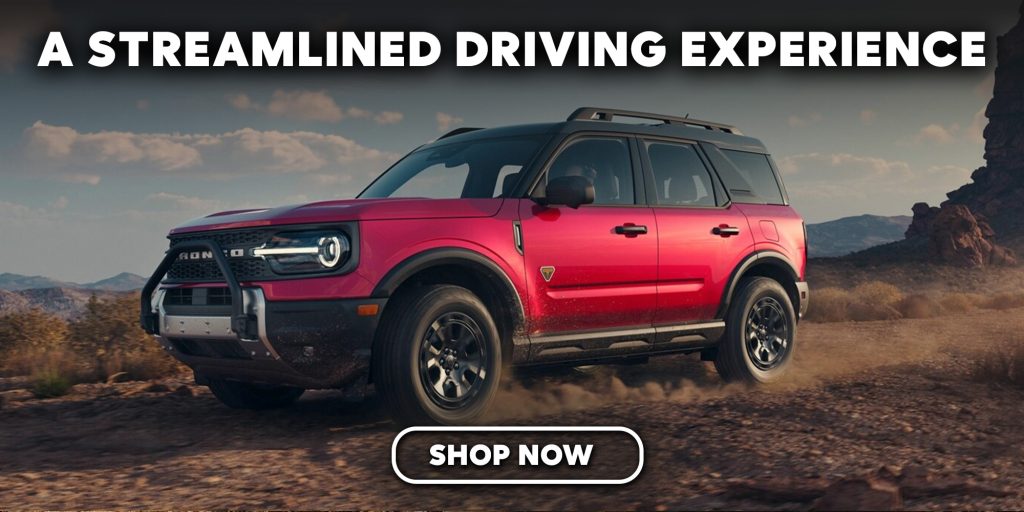
The Ford Bronco Sport is built for everyday adventure, offering a flexible blend of comfort, durability, and smart technology across all Ford Bronco Sport trim levels. With confident four-wheel drive, trail-ready engineering, and a stylish design that ranges from rugged to refined depending on trim, the Ford Bronco Sport lineup fits a wide range of lifestyles. The Ford Bronco Sport Convenience Package is an integral function that lets this model stand out from the already adventurous and versatile base. Experience the convenience this package offers the Ford Bronco Sport by visiting Crossroads Ford of Waynesville for a test drive.
The Making of Something Great
The Ford Bronco Sport offers a variety of features to make all of your adventures memorable. Before we learn about the Ford Bronco Sport Convenience Package, let’s explore what makes this compact SUV so memorable.
On the exterior, Ford Bronco Sport models offer thoughtful styling choices such as body-color accents, black roof availability, and paint tones like Carbonized Gray, Azure Gray Metallic, Desert Sand, and Ruby Red Metallic, depending on trim. Functional exterior elements include available durable fender tie downs, signature gray grille options, fog lights, and protective accessories like a brush guard on higher off-road-oriented configurations. For those seeking even more capability, the Black Diamond® Off-Road Package adds enhancements like specialized all-terrain tires, robust underbody protection, and off-road suspension components to allow confident exploration beyond paved roads. Drivers looking for a towing utility can opt for the Class II Trailer Tow Package, which includes Trailer Sway Control, expanding the Ford Bronco Sport’s practical towing capacity for weekend gear, small campers, or bikes.
Equipped with signature G.O.A.T. Modes® and a Terrain Management System™ help you manage almost any type of terrain in the Ford Bronco Sport. Durable materials and customizable storage solutions, including an easily cleaned cargo floor, practical cargo space up to 65.2 cu.ft., and fold-flat rear seats, enhance versatility for road trips, commutes, or outdoor excursions. Every Ford Bronco Sport includes standard features like the SYNC® 4 infotainment system, touchscreen connectivity, voice recognition, wireless Apple CarPlay®, Android Auto™, and a helpful Ford Co-Pilot360® safety suite. This combination of capability, convenience, and personality has made the Ford Bronco Sport one of the best small SUVs across recent model years.
What Is the Ford Bronco Sport Convenience Package?
At the heart of the Ford Bronco Sport Convenience Package is a curated collection of comfort and convenience features designed to make daily driving smoother and more enjoyable. Available on Ford Bronco Big Bend® and Heritage trims, the Convenience Package builds on the Ford Bronco Sport’s already thoughtful cabin by upgrading key touchpoints that drivers interact with every day. Its standout addition is the 8-Way Power Driver’s Seat, which allows customized comfort and support for long trips or winding scenic routes. Complementing that are heated front seats and a heated steering wheel, ideal for cold mornings or mountain getaways. Added storage through seatback pockets keeps essentials neatly organized, while the Universal Garage Door Opener offers seamless access to your garage without reaching for extra remotes. Enhancing visibility and style, the LED fog lamps improve clarity during foggy or snowy conditions, giving you increased confidence when exploring beyond the city.
Additional touches outside the Convenience Package include an auto-dimming rearview mirror, floor mats, carpet mats, automatic temperature control, and a streamlined center console to elevate the Ford Bronco interior experience even further.
Together, these upgrades solidify the Ford Bronco Sport Convenience Package features as an ideal blend of comfort, style, and everyday usability.
Streamlining Your Drives
The Ford Bronco Sport Big Bend remains one of the most popular entry points into the lineup, combining everyday value with elevated style. It becomes even more appealing when paired with the Ford Bronco Sport Convenience Package, offering drivers a comfort-forward experience. For those who want more premium touches, the Ford Bronco Sport Outer Banks® elevates luxury with upscale materials, refined finishes, and optional features like the available B&O® Sound System. At the rugged end of the spectrum, the Ford Bronco Sport Badlands® brings adventure-ready engineering through enhanced wheel-drive capability, unique off-road suspension, and specialized performance to your tastes.
Simplicity & Rugged Adventures Await
Taken together, the Ford Bronco Sport Convenience Package, capable architecture, and flexible trim lineup create an SUV perfectly suited for everything from weekday commutes to weekend adventures. Whether selecting the approachable Ford Bronco Sport Big Bend, the premium Ford Bronco Sport Outer Banks, the Ford Bronco Sport rugged Badlands, or the nostalgic Ford Bronco Sport Heritage, its balance of technology, comfort, capability, and design makes it one of Ford’s most compelling compact SUVs for drivers who want versatility with personality. Visit Crossroads Ford of Waynesville for a test drive today!
Under The Hood Of A Ford Bronco Sport
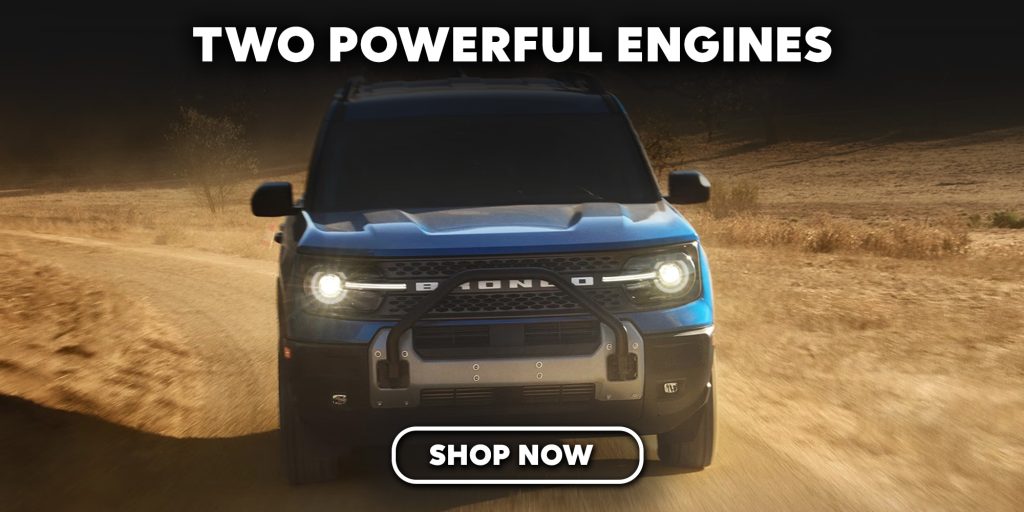
The Ford Bronco Sport is a compact SUV that blends style, performance, and versatility. One of the standout aspects of this model is the two Ford Bronco Sport engine sizes available, which cater to both daily commuters and off-road enthusiasts. With its impressive innovative features, the Ford Bronco Sport engine options also ensure a thrilling driving experience for every type of terrain. Visit Crossroads Ford of Waynesville to test-drive the Ford Bronco Sport today!
Key Features At Work
Packed with features that cater to a wide range of needs, the Ford Bronco Sport is your efficient companion for a variety of purposes. Before reading more about the Ford Bronco Sport engine options, familiarize yourself with everything that’s offered by this compact SUV. Its ample cargo space, enhanced by a versatile Cargo Management System, ensures you have room for all your gear. Whether you’re heading to the office or embarking on a weekend camping trip, the Ford Bronco Sport’s cargo area is designed to accommodate your lifestyle. Towing enthusiasts will appreciate the availability of the Class II Trailer Tow Package, which enhances the SUV’s towing capacity for small trailers or other equipment. Additionally, the Ford Bronco Sport’s compact SUV design offers a perfect balance of rugged off-road features and everyday practicality. With a stylish exterior available in eye-catching colors like Carbonized Gray and Desert Sand, it’s as visually appealing as it is functional.
Technology is another area where the Ford Bronco Sport excels. The SYNC® 4 system provides seamless smartphone integration through wireless Apple CarPlay® and Android Auto™, ensuring that drivers stay connected on the go. FordPass® Connect adds another layer of convenience, allowing you to start your vehicle remotely, locate it in crowded parking lots, or access navigation features. These technology features are designed to enhance every aspect of the driving experience. For off-road adventurers, the Ford Bronco Sport is equipped with available rock-crawl capabilities, G.O.A.T. Modes®, generous ground clearance, and off-road features such as available bash plates and recovery hooks. These key features make it a standout choice for those who demand both performance and durability. These capability-focused enhancements align with the Ford Bronco Sport specs that emphasize strength, control, and purpose-built design for outdoor exploration.
1.5L or 2.0L Engine?
Now let’s take a look at the two Ford Bronco Sport engine options that’ll give you the right balance of power, capability, and efficiency for almost any adventure. The Ford Bronco Sport Big Bend® engine is a three-cylinder 1.5L EcoBoost® engine that delivers confident performance with 180 horsepower and 200 lb.-ft. of torque. It features a turbocharged induction system, aluminum engine block and cylinder head, and utilizes both direct injection and port fuel injection. Under this configuration, whether it’s the Ford Bronco Sport Big Bend, Ford Bronco Sport Heritage, or Ford Bronco Sport Outer Banks®, this engine allows you to achieve an EPA-estimated 25 MPG for city commutes and 30 MPG on the highway.
For those seeking an exhilarating boost in power, the 2.0L EcoBoost® engine is engineered to impress. This robust option churns out an impressive 250 horsepower and 280 lb.-ft. of torque, ensuring a more dynamic and responsive driving experience. If you’re asking which Ford Bronco Sport has the 2.0L engine, you’ll find this potent powertrain as the standard offering in the rugged Ford Bronco Sport Badlands® trim, where it’s ready to conquer more challenging terrains with confidence and ease. An EPA-estimated 21 MPG in the city and 27 MPG on highways show you that it’s capable of getting you through the daily hustle.
Stand Out
The Ford Bronco Sport engine options are exceptional features designed to optimize all of your drives. For a compact SUV that combines advanced technology, robust performance, and thoughtful design, it’s a perfect choice for buyers looking for a versatile vehicle that excels in both urban settings and off-road adventures. With features like G.O.A.T. Modes, a twin-clutch rear-drive unit, and advanced safety technologies, the Ford Bronco Sport delivers reliability and confidence on every journey. If you’re in the market for new vehicles that offer outstanding value and capability, the Ford Bronco Sport deserves a spot at the top of your list. Visit our local Ford dealership to experience the Ford Bronco Sport engine options today!
Everything You Need to Know About The Ford Bronco Sport Heritage Edition
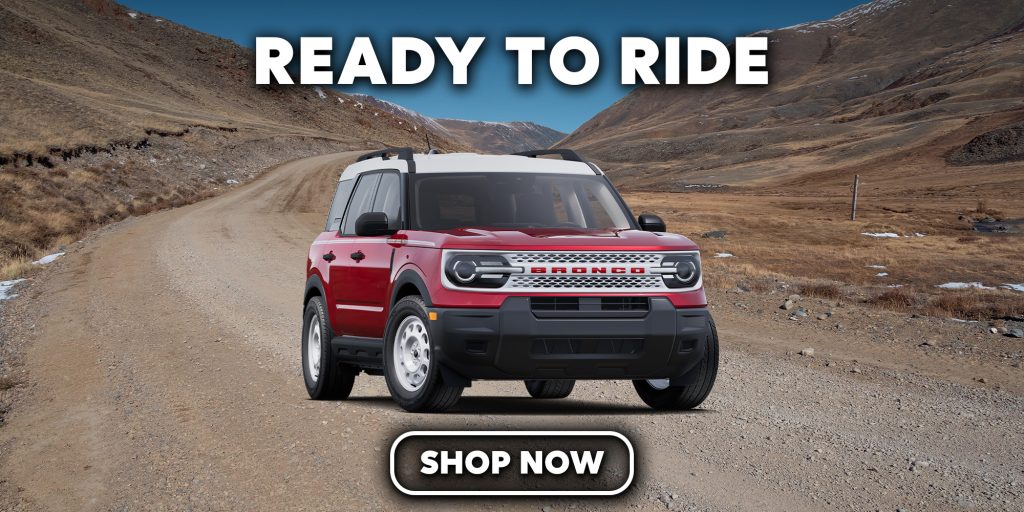
The Ford Bronco Sport’s lineup evokes adventure and efficient driving needs wherever the road takes you. The Ford Bronco Sport Heritage Edition captures the spirit of classic design while incorporating modern features and performance capabilities. This compact SUV offers retro-inspired styling combined with versatile technology, making it a standout choice for adventure enthusiasts and everyday drivers alike. With its unique blend of timeless aesthetics and advanced engineering, it caters to those seeking a versatile and stylish vehicle. Find yours at Crossroads Ford of Waynesville today!
Iconic Style & Design
The Ford Bronco Sport Heritage Edition boasts a retro-inspired body style that pays homage to the classic Ford Bronco SUV while incorporating contemporary design elements. One of its most striking features is the distinctive white grille, which immediately sets it apart from other compact SUVs on the market. Complementing the grille are Oxford White-painted alloy wheels that add a touch of vintage flair to the overall look. What truly makes this edition stand out is the exclusive palette of paint colors. Shades like Robin’s Egg Blue, Shadow Black, and Azure Gray Metallic evoke a sense of nostalgia while maintaining a modern appeal. These colors not only highlight the vehicle’s heritage but also allow drivers to express their unique style. Whether parked in the city or traversing off-road trails, the Ford Bronco Sport Heritage Edition is sure to turn heads wherever it goes.
Performance & Driving Capability
The Ford Bronco Sport Heritage Edition is powered by a 1.5L EcoBoost® engine that’s capable of producing 180 horsepower and paired with an eight-speed automatic transmission. This gives you the essentials for navigating city streets or tackling challenging off-road terrain. You can also enjoy an EPA-estimated fuel economy of up to 25 MPG for those city commutes, or 30 MPG on the highway.
Equipped with four-wheel drive as standard, the Ford Bronco Sport Heritage Edition ensures excellent traction and stability, no matter the terrain. The inclusion of G.O.A.T. Modes® (Goes Over Any Type of Terrain) further enhances its capability, allowing drivers to adapt to diverse environments with ease. Designed for off-road adventures, this model features durable all-terrain tires and the HOSS 1.0 system, ensuring it can tackle rugged trails without compromising performance or safety. The high ground clearance also contributes to its off-road prowess, allowing the vehicle to navigate rocky paths, uneven surfaces, and water crossings with confidence. For those who seek both adventure and reliability, the Ford Bronco Sport Heritage Edition is a top choice.
Comfortable Adventures & Commutes
Inside, the Ford Bronco Sport Heritage Edition offers a blend of comfort and style that enhances every journey. Enjoy plaid cloth seats that align with the retro theme of the SUV for the utmost comfort. The rear seat is spacious, offering ample legroom for passengers, and the available Second-Row Rubberized Seatbacks ensure that the interior can be tailored to suit individual preferences. Whether you’re embarking on a road trip or running errands, the Ford Bronco Sport Heritage Edition’s interior is designed to keep everyone comfortable. In terms of practicality, the vehicle’s cargo area is both spacious and functional, giving you up to 65.2 cu.ft. to pack camping equipment or everyday items with ease. The available Cargo Management System helps organize gear, groceries, or other essentials, making it an ideal companion for busy lifestyles.
Modern technology takes center stage in the Ford Bronco Sport Heritage Edition, offering a range of features that enhance both convenience and connectivity. The SYNC® 4 13.2-in. infotainment system is equipped with voice recognition, wireless Apple Carplay®, and Android Auto™, allowing you to control navigation, audio, and phone functions without taking your hands off the wheel. Additionally, SiriusXM satellite radio is included, providing access to a wide variety of entertainment options. Convenience features, such as the center console, offer additional storage space, ensuring that essential items are always within reach. Adaptive Cruise Control and the Ford Co-Pilot360® safety system add an extra layer of safety and comfort during long drives, automatically adjusting the speed to maintain a safe distance from other vehicles, alerting you to any obstacles, and more.
Ready to Embrace Heritage?
The Ford Bronco Sport Heritage Edition is the perfect blend of classic style and modern functionality, making it an ideal choice for both adventure seekers and everyday drivers. Its retro-inspired design, combined with innovative technology and off-road capabilities, ensures that it performs as impressively as it looks. Whether you’re drawn to its iconic white grille, its ability to tackle any type of terrain, or its practical interior features, this SUV delivers on all fronts. Visit Crossroads Ford of Waynesville to get behind the wheel of a Ford Bronco Sport Heritage Edition today!
Adventurous Trims At Your Disposal
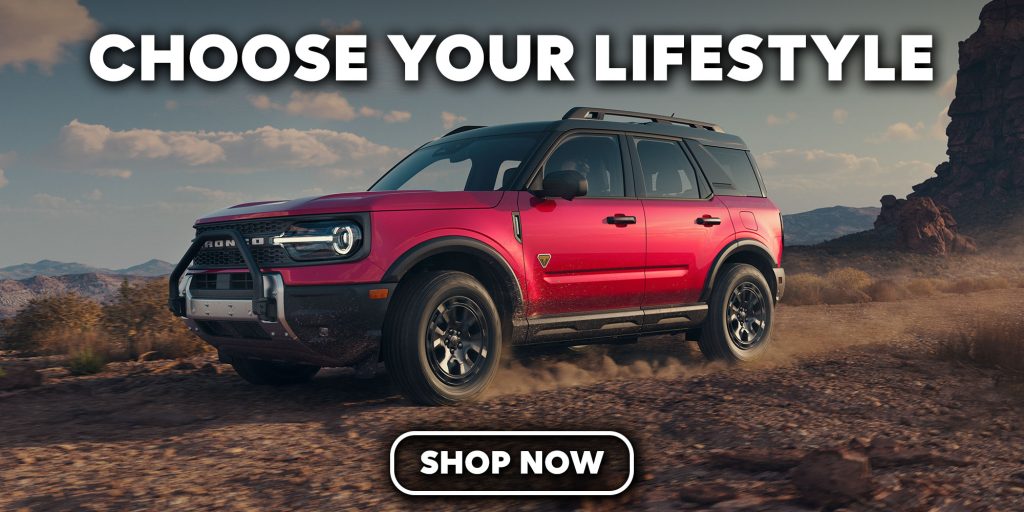
At Crossroads Ford of Waynesville, drivers exploring the Ford Bronco Sport Big Bend® vs. Outer Banks® trims will find two distinct interpretations of the adventurous compact SUV. From integrating the two-color Bronco spirit to everyday utility, the Ford Bronco Sport Big Bend vs. Ford Bronco Outer Banks deliver authentic off-road strength and modern sophistication, designed to adapt to different locations—from urban commutes to remote trails. Whether you lean toward the value-packed Big Bend vs. Outer Banks luxury, the Ford Bronco Sport lineup is versatile, proving there’s no wrong choice for your next new Ford adventure. Select yours from Crossroads Ford of Waynesville today!
Performance & Capability
Every Ford Bronco Sport model carries the DNA of exploration, highlighted by its durable construction and confident stance. The comparison between the Ford Bronco Sport Big Bend vs. Ford Bronco Sport Outer Banks centers on capability, comfort, and convenience. Both trims balance performance and practicality, giving drivers the freedom to choose the perfect mix of rugged utility and premium refinement—all backed by Ford’s reputation for quality and innovation
Under the hood, both trims share a proven EcoBoost® engine paired with an eight-speed automatic transmission, delivering smooth power and responsive handling. Ford’s advanced Terrain Management System™ with G.O.A.T. Modes® (Goes Over Any Type of Terrain) lets you fine-tune traction for any type of terrain, ensuring confidence on everything from gravel to snow. Standard all-season tires and HOSS 1.0 Off-Road Suspension maximize grip and comfort wherever you travel.
Capability goes further with functional features such as available Trailer Sway Control and other towing configurations. The upgraded Class II Trailer Tow Package makes it easy to haul gear, boats, or small campers. Strength is supported by Ford’s high-strength steel frame and advanced steering assist for stability. Drivers comparing the Ford Bronco Sport Big Bend vs. the Ford Bronco Sport Outer Banks will experience the capability for any weekend adventure.
Exterior Design & Styling
Visually, the Ford Bronco Sport Big Bend and Outer Banks trims express two unique personalities within the same rugged family. The Big Bend trim sports 17-inch wheels, a distinctive carbonized gray grille, durable finishes, and practical touches like the safari-style roof for loading gear or sightseeing. The refined Ford Bronco Sport Outer Banks swaps in a sleek black grille, stylish black 18-inch aluminum wheels, ebony black-painted details, and a contrasting Shadow Black roof for standout flair.
Design cues for the Ford Bronco Sport Big Bend vs. the Ford Bronco Sport Outer Banks include signature lighting and integrated fog lamps to ensure visibility on late-night drives or forest trails. For those who want to mix elegance with durability, the Black Diamond exterior, available on Big Bend, adds a premium finish. You can even open up the cabin to the stars with the available power moonroof—a must-have for drivers who crave open-air freedom. Together, these features embody the balance between form and function, enhancing the Ford Bronco Sport Big Bend vs. the Ford Bronco Sport Outer Banks’ bold identities wherever the journey leads.
Interior Comfort & Technology
Comparing the Ford Bronco Sport Big Bend vs. the Ford Bronco Sport Outer Banks interiors are where the magic stirs. The Ford Bronco Sport Big Bend emphasizes practicality, while the Ford Bronco Sport Outer Banks focuses on upscale luxury.
The Ford Bronco Sport Big Bend greets you with easy-to-clean cloth upholstery, a manual front passenger’s seat, and a supportive six-way manual driver’s seat that make long trips more comfortable. It’s also built for adventure, featuring washable seat backs, a durable cargo floor, and flexible storage solutions like the split-folding second-row seat for expanding cargo space. The Ford Bronco Sport Outer Banks trim adds sophistication with premium-trimmed seats, power-adjustable front seats, and a premium-wrapped steering wheel.
Technology is everywhere in the Ford Bronco Sport Big Bend vs. the Ford Bronco Sport Outer Banks trims. An intuitive infotainment system with Apple CarPlay®, Android Auto™, wireless charging pad, crisp audio system, and available satellite radio keep every drive connected and entertaining. Comfort reigns with automatic climate control, a heated steering wheel (standard on Outer Banks), and clever convenience features like push-button start, a universal garage door opener, and the available Convenience Package that adds smart storage to your center console. Small details such as the available auto-dimming rearview mirror reinforce how the Ford Bronco Sport Big Bend vs. the Ford Bronco Sport Outer Banks blends comfort with capability through its thoughtful interior features.
Utility, Safety, & Ownership Experience
Whether you choose Ford Bronco Sport Big Bend vs. the Ford Bronco Sport Outer Banks, both trims deliver versatility and peace of mind. Clever storage solutions like the flip-up rear glass and large cargo floor provide adaptable cargo space for gear, groceries, or camping supplies. Every Ford Bronco Sport model comes equipped with driver-assistance technologies designed to protect you on every trip. The Ford Co-Pilot360® features rear parking sensors, Cross-Traffic Alert, Pre-Collision Assist, Automatic Emergency Braking, BLIS®, a lane-keeping system, and lane centering, all of which work together as key Features of both Ford Bronco Sport Big Bend vs. Ford Bronco Sport Outer Banks.
Start Exploring Your Rugged Options
The Ford Bronco Sport Big Bend vs. Ford Bronco Sport Outer Banks are pillars in the realm of versatile small SUVs. Whether you’re prioritizing rugged performance and capability or comfort and luxury, there’s a Ford Bronco Sport designed for you. Visit Crossroads Ford of Waynesville to explore both trims in person and take a test drive today.
Connect with us

